Sulphate of Potash
A Complete Guide to Potassium Sulfate Fertilizer
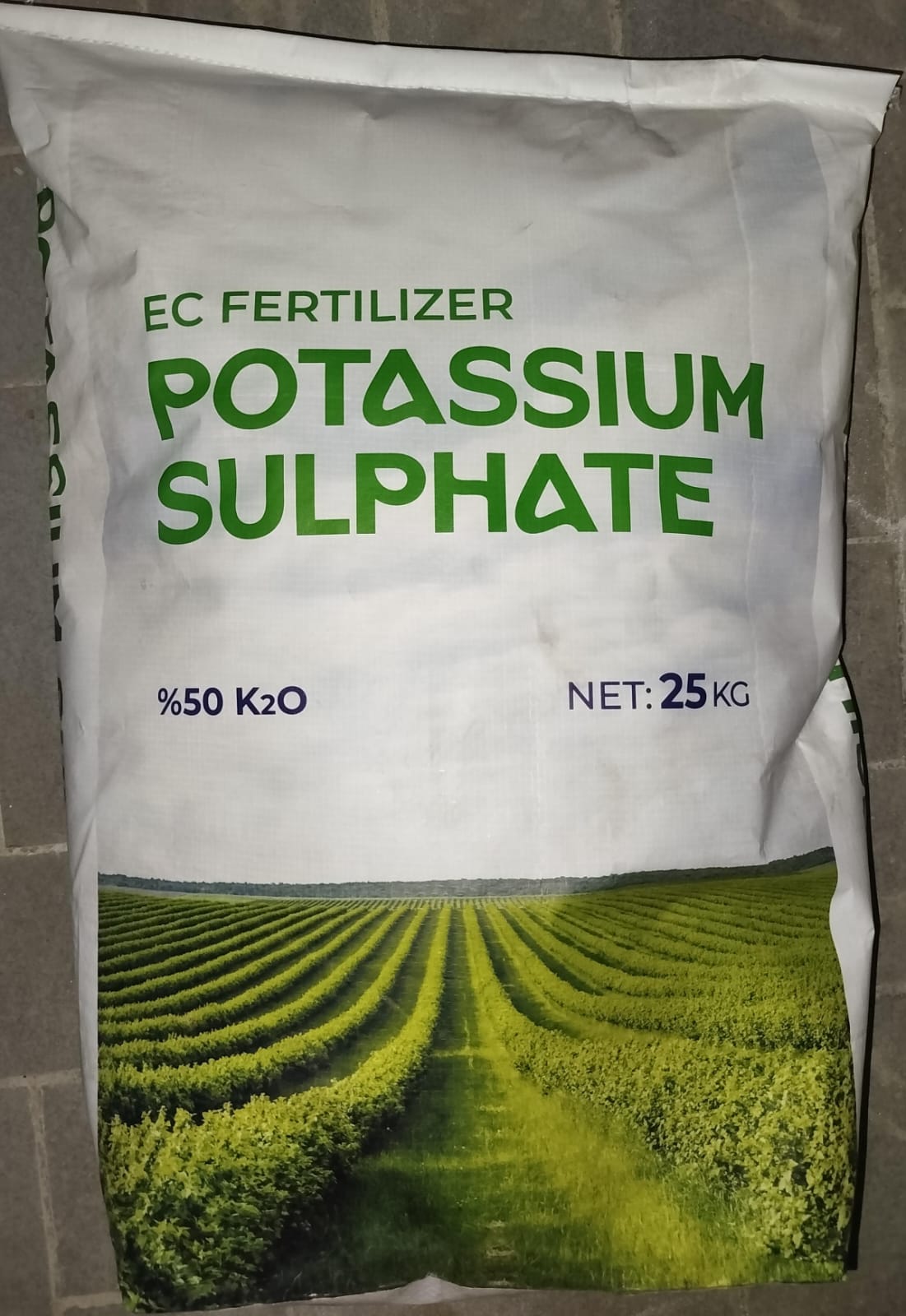
Sulphate of potash, also known as potassium sulfate or SOP, is a chloride-free fertilizer that supplies two essential plant nutrients: potassium and sulfur. It plays a key role in supporting crop growth, improving produce quality, and helping plants cope with environmental stress. This guide covers its properties, benefits, application methods, and relevance for agriculture, including insights useful for farmers in regions like Pakistan.
What is Sulphate of Potash?
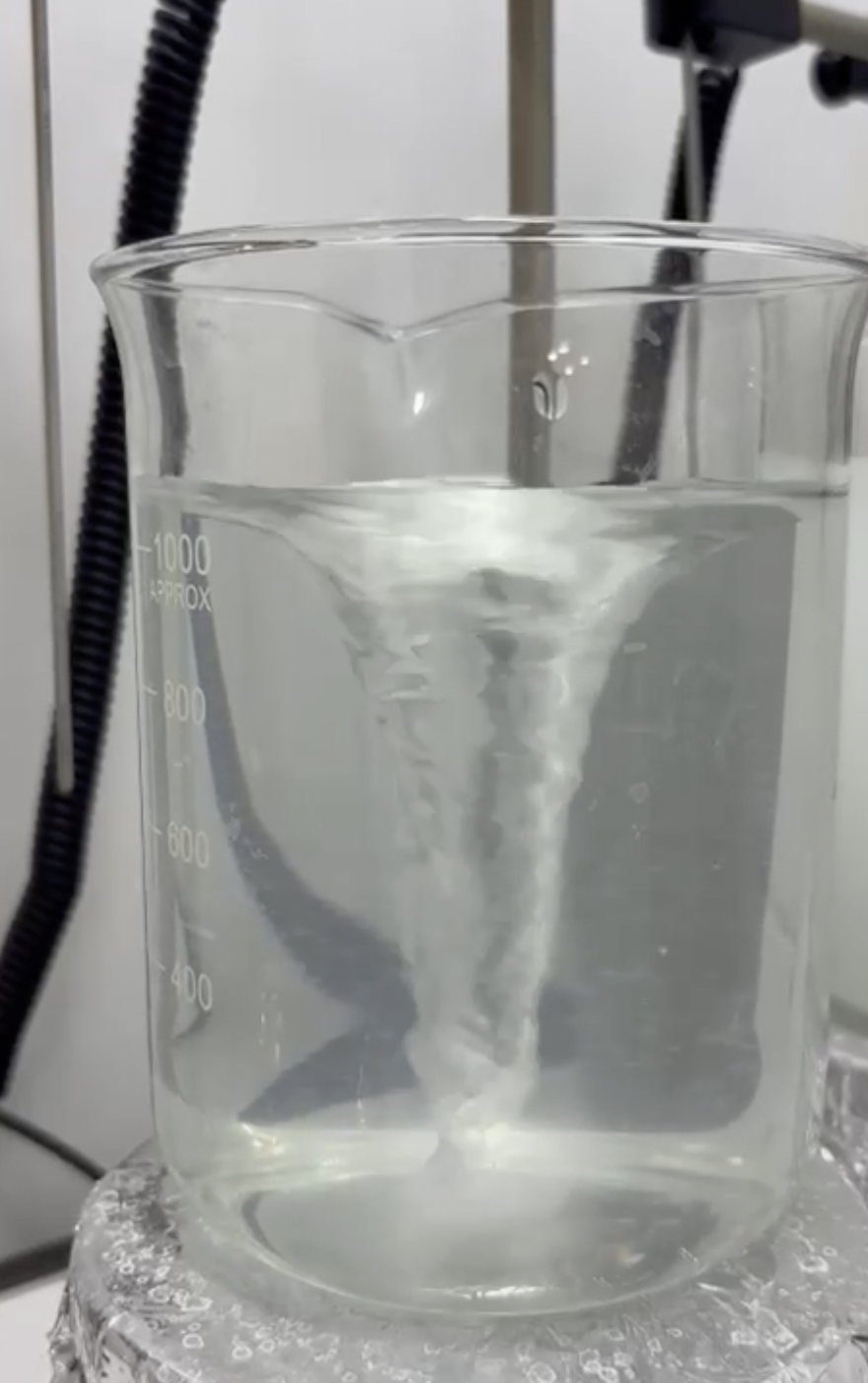
Sulphate of potash is the common agricultural name for potassium sulfate (K₂SO₄). It appears as a white, crystalline or granular solid that dissolves readily in water. Unlike muriate of potash (potassium chloride), it contains no chloride, making it suitable for chloride-sensitive crops and soils that already have elevated salt levels.
High-quality grades typically contain around 50–52% K₂O (potassium oxide equivalent) and about 17–18% sulfur. We offer fully water-soluble potassium sulphate that can be applied via soil, drip or sprinkler irrigation, or foliar spray — ideal for both import and local purchase requirements.
Import/Local Price of Potassium SulphateImportance of Sulphate of Potash in Agriculture
Potassium is a primary macronutrient involved in numerous plant processes. It regulates water balance, activates enzymes, supports photosynthesis, strengthens cell walls, and improves resistance to drought, frost, and disease. Sulfur, the second nutrient in SOP, contributes to protein synthesis, oil formation in seeds, and overall plant metabolism.
In many agricultural systems, including parts of Pakistan, soils can be deficient in available potassium or sulfur. Applying sulphate of potash helps correct these shortages without adding chloride, which can harm sensitive crops or increase soil salinity. Research in Pakistan has shown positive responses in wheat, cotton, and other crops when potassium is supplied in balanced amounts.
Understanding Potassium Sulfate
Chemical Composition
Potassium sulfate is an inorganic salt consisting of two potassium ions (K⁺) and one sulfate ion (SO₄²⁻). It is odorless, has a bitter-salty taste, and is highly soluble in water while remaining insoluble in ethanol. Commercial fertilizer grades are typically low in chloride (often under 1.5–2%) and moisture.
Typical nutrient analysis for agricultural SOP:
- Potassium (as K₂O): 50–52%
- Sulfur (S): 17–18%
- Chloride: very low
Potassium Sulphate Formula
The chemical formula is K₂SO₄. Its molar mass is approximately 174.26 g/mol.
This simple ionic compound delivers both nutrients in plant-available form once dissolved in the soil solution or irrigation water.
Sources of Sulphate of Potash
Natural mineral forms such as arcanite are relatively rare. Most commercial production comes from processing potassium-bearing minerals (for example, kainite, langbeinite, or schoenite) or from the reaction of potassium chloride with sulfuric acid (a process similar to the Mannheim process).
We supply SOP in powder, granular, and highly soluble crystalline forms to meet different application needs. Whether you require bulk import quantities or local stock for immediate use, we provide consistent quality suitable for modern farming practices.
Benefits of Sulphate of Potash Fertilizer
Enhancing Crop Yields
Adequate potassium improves photosynthesis, nutrient transport, and root development, which often translates into higher yields. Field studies in Pakistan have recorded grain yield increases of 14–30% in wheat grown on salt-affected soils when potassium sulfate was applied at 50–100 kg K ha⁻¹. Cotton trials have shown improvements in seed-cotton and lint yields, especially when SOP was used in fertigation or foliar applications. Oilseed crops can also benefit from the combined potassium and sulfur supply, supporting higher oil content.
Improving Quality of Produce
SOP is particularly valued for quality parameters:
- Better fruit size, color, flavor, and sugar content (Brix)
- Improved shelf life and storage quality
- Enhanced fiber quality in cotton
- Reduced internal disorders (for example, hollow fruit in tomato or misshapen cucumber)
- Better color and burning quality in tobacco
- Stronger stems and reduced calyx cracking in ornamental plants
The sulfur component supports protein and secondary metabolite formation that contribute to aroma and taste.
Benefits for Soil Health
Because SOP has a relatively low salt index and contains no chloride, it is gentler on soil structure and microbial activity than chloride-based alternatives in saline or chloride-sensitive environments. The sulfate form of sulfur is readily available and can help maintain nutrient balance. Split applications on sandy soils reduce leaching risk and keep potassium available over a longer period.
Application Guidelines
Recommended Usage
Rates depend on soil test results, crop type, and yield goals. General guidelines (always refine with local soil analysis):
- Soil or basal application: commonly 25–100+ kg product per hectare (or equivalent K₂O rates of 50–125 kg ha⁻¹ for many field crops)
- Fertigation/drip: lower, more frequent doses of highly soluble grades (for example, 5–10 kg per acre in some Pakistani recommendations for specialty products)
- Foliar: dilute solutions, often 1–3% or product-specific rates such as 5 g/L, applied in cool morning or evening hours
For products with ~51% K₂O and ~18% S, follow the manufacturer’s label and local extension advice. In Pakistan, commercial soluble SOP products are frequently recommended at around 10 kg per acre for several field and horticultural crops at critical growth stages. We offer both import and locally available grades to match these requirements.
Timing of Application
Basal / soil application: Before sowing or at planting, or early in the season, to supply roots with a longer-term reserve. On sandy soils, split the dose.
Pre-flowering / flowering: Supports healthy flower buds, better fruit set, and reduces stress-related drop.
Fruit development / quality stages: Ideal for fertigation or foliar sprays to improve size, color, sugar, and storage life.
Crop-specific examples (illustrative from Pakistani product recommendations):
- Cotton: around 70–80 days, with a possible repeat
- Wheat: 40–45 days
- Potato: 50–60 days after sowing
- Tobacco and vegetables: after transplanting or at fruit formation
Avoid direct contact of foliar sprays with open flowers when possible.
Compatibility with Other Fertilizers
Highly soluble SOP mixes well with most common fertilizers in fertigation systems and does not cause clogging when properly dissolved. It is compatible with many nitrogen and phosphorus sources. Always perform a jar test for new tank mixes, especially with calcium or certain micronutrient products, and follow local recommendations for blending.
Case Studies in Pakistan
Successful Implementations
Pakistani research has documented clear responses to potassium sulfate:
- In salt-affected soils of Kohat (Khyber Pakhtunkhwa), wheat grain yields rose 14% and 30% with 50 and 100 kg K ha⁻¹ applied as K₂SO₄. Dry-matter yields increased even more, and the leaf K:Na ratio improved.
- Cotton studies under arid conditions showed that foliar K₂SO₄ improved boll opening, seed-cotton yield, and fiber quality compared with some alternative sources.
- Comparative work has indicated that SOP can outperform or complement muriate of potash on chloride-sensitive crops or when sulfur is also limiting. Many farmers in cotton areas have historically preferred SOP for these reasons.
- Yield and quality gains have also been reported in potatoes, tobacco, citrus, and vegetables when SOP supplied both potassium and sulfur.
These results support the value of soil testing and balanced potassium management rather than relying solely on nitrogen and phosphorus.
Crop Types Benefiting from Sulphate of Potash
SOP is especially useful for:
- Chloride-sensitive crops: tobacco, potatoes, grapes, citrus, many fruits and vegetables
- High-value horticultural crops: tomatoes, cucumbers, bananas, mango, pomegranates, ornamentals
- Oilseeds and protein crops that benefit from sulfur
- Field crops on saline or low-potassium soils: wheat, cotton, maize, sugarcane
- Any crop where improved quality (color, flavor, shelf life, stress tolerance) is a priority
In Pakistani conditions, fruits, vegetables, tobacco, potatoes, and cotton frequently show strong responses.
Conclusion
Sulphate of potash remains one of the most versatile and crop-safe sources of potassium and sulfur. Its chloride-free nature, high solubility, and dual-nutrient supply make it a practical choice for improving both yield and quality across a wide range of farming systems. Farmers should base rates and timing on soil analysis, crop demand, and local recommendations to achieve the best results.
We offer high-purity potassium sulphate suitable for import as well as local purchase, supporting efficient nutrient use through fertigation, foliar feeding, and conventional soil application. Contact us for current import/local pricing and availability.
Get Import/Local Price of Potassium Sulphate